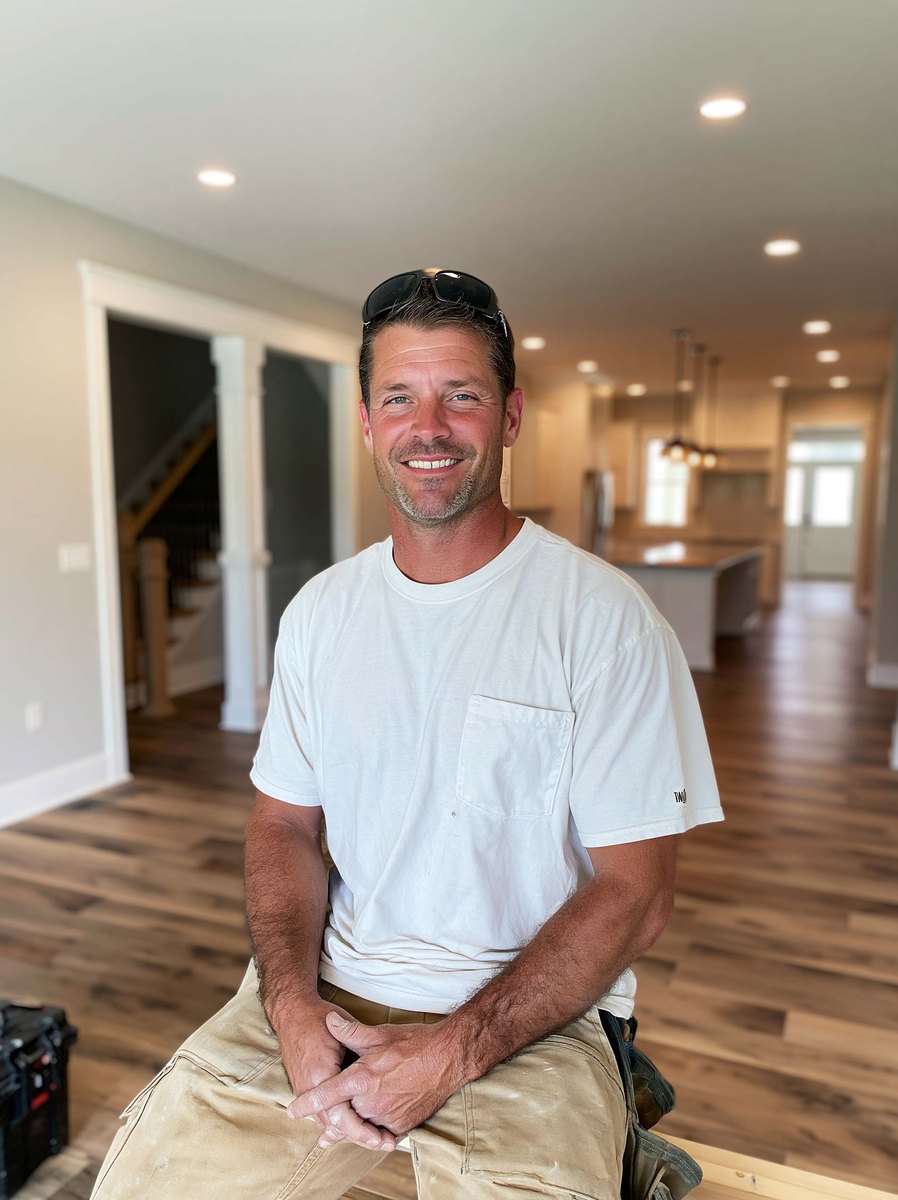
Drywall contractor in a white t-shirt sitting on a plank in a newly finished home, kitchen and staircase behind him

Drywall Contractor in Sacramento for Repairs, New Walls and Ceilings

Cracks, holes, ceilings and water damage, repaired until you can't tell where the damage was

We work on the pre-war plaster in the older grid and the drywall in everything built since, and we find what caused the damage first, so the repair holds.

We find the cause before we close the wallOnce we know what moved your wall, the repair only has to happen once, and it holds.
Plaster and drywall are different tradesSacramento has plenty of both, and we work in both, so an old plaster room gets a plaster answer and your newer rooms get drywall answers.
The finish is most of the jobMatching your texture is where the day goes, and it's the part that blends the repair into the rest of the wall.
We'll let you know when you don't need usSometimes it's a builder's warranty claim, sometimes another trade, sometimes a crack worth watching a season. Whichever it is, we'll say so, and you skip a job you didn't need.

The Age of Your House Tells Us How to Repair Your Walls

Your house was built in one of two Sacramentos, and your walls will tell you which. Inside the grid you get streetcar-era bungalows and Tudors with real pre-war plaster on them, and there's more of that still in place here than people expect. Everything built out from there is drywall, tract by tract, decade by decade. Sacramento Expert Drywall works on both eras, and knowing which one you own is a head start on your repair.

An East Sacramento bungalow and a house in Elk Grove are two different jobs behind the paint, and they want different materials, different tools and a different day. Plaster wants one approach, drywall wants another, and a 1950s house can hand you both in the same hallway. A drywall contractor in Sacramento who works both halves of the city can tell yours apart from the doorway. When we know which one we're walking into, the price fits the house and so does the finish.

So the first question we ask isn't what's wrong with your wall. It's when the room you're standing in was built. If you don't know, we can usually work it out on the phone in about a minute. The ceiling, the window openings and the sound the wall makes when you knock on it are enough to place most houses here.

Once we know the era, the rest of the call gets short. If yours is an older plaster room, we're talking about keeping the wall you have and matching a finish somebody worked by hand. If it's newer drywall, we're talking about what moved it and which sprayed texture came off the gun. Both end in the same place, with a wall that matches the room around it.

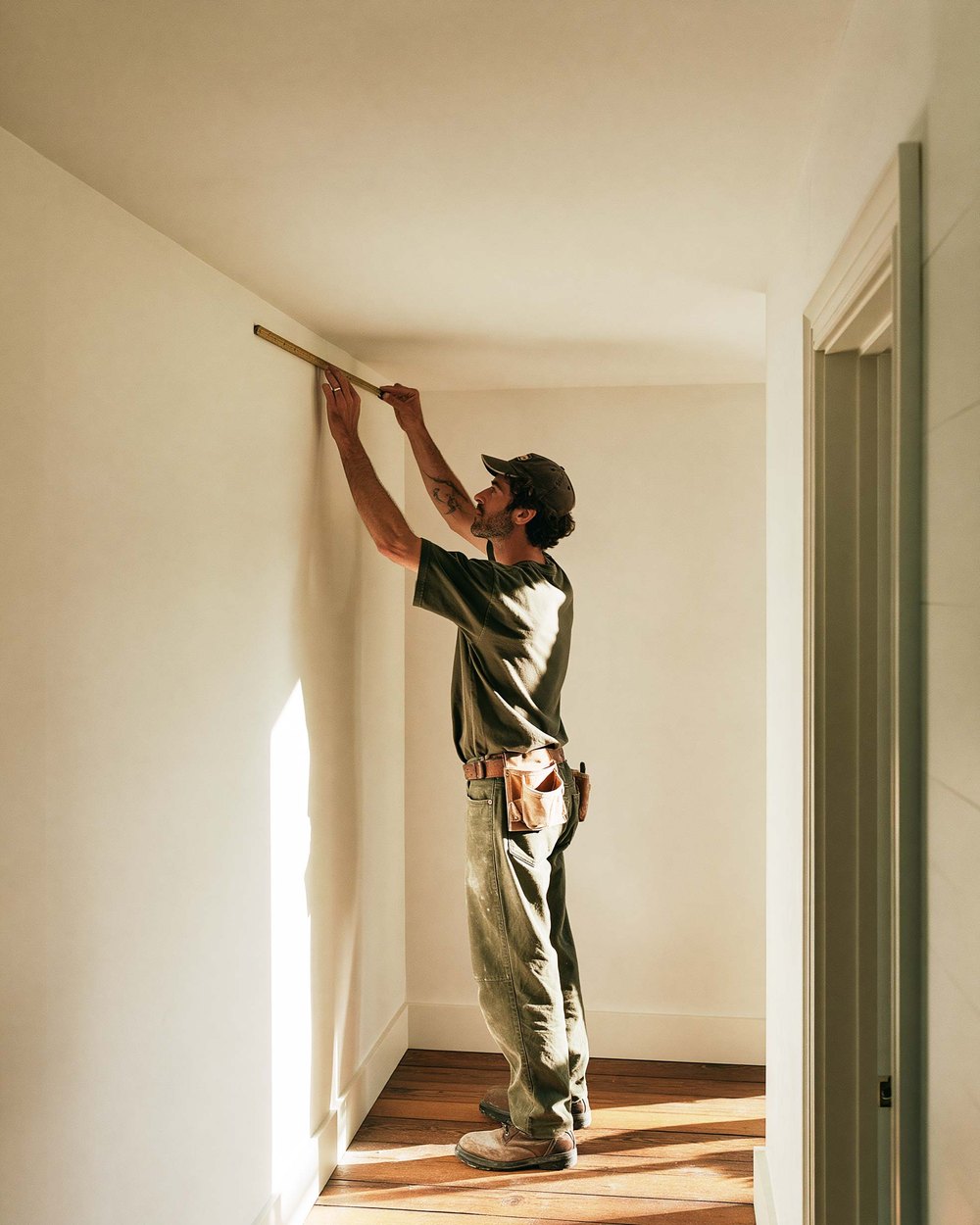
A drywaller reaching up to measure a wall near the ceiling in an empty room, afternoon sun across the boards

Drywall, Ceiling and Plaster Work We Do in Sacramento

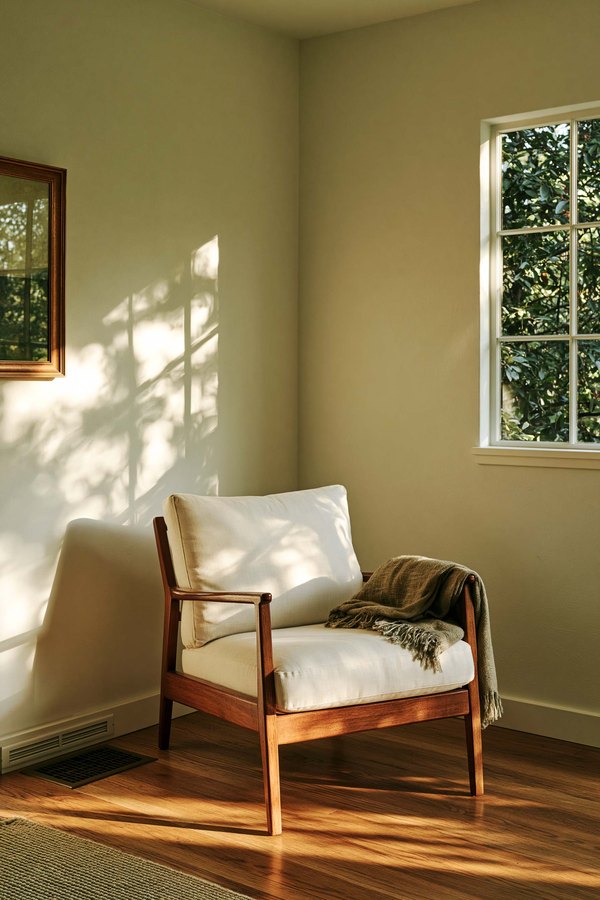
A quiet corner with a repaired and repainted wall, an armchair and low afternoon light across the floor

Drywall Repair

Cracked or damaged walls you already live with, closed up and finished to blend back in with the rest of the room. First we figure out what's behind the crack, because that's what stops it from opening up again.

How we find the cause before closing a wall →
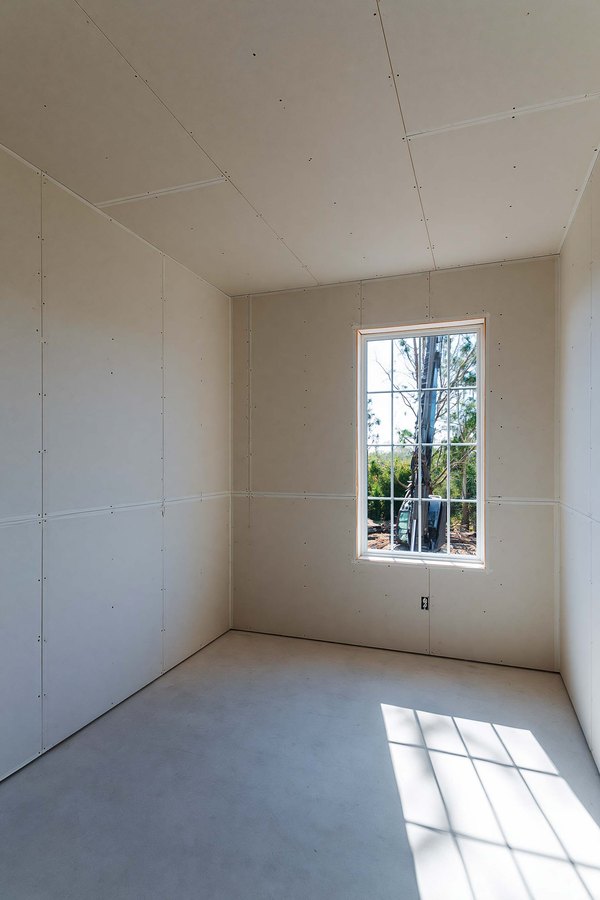
A room with new drywall hung and the seams taped, waiting to be finished

Drywall Installation

Drywall for a new addition, an ADU, a remodel, or a single wall that got taken out. Board, tape, finish and texture, all left so your painter can walk in and get started.

What goes into a new drywall job →
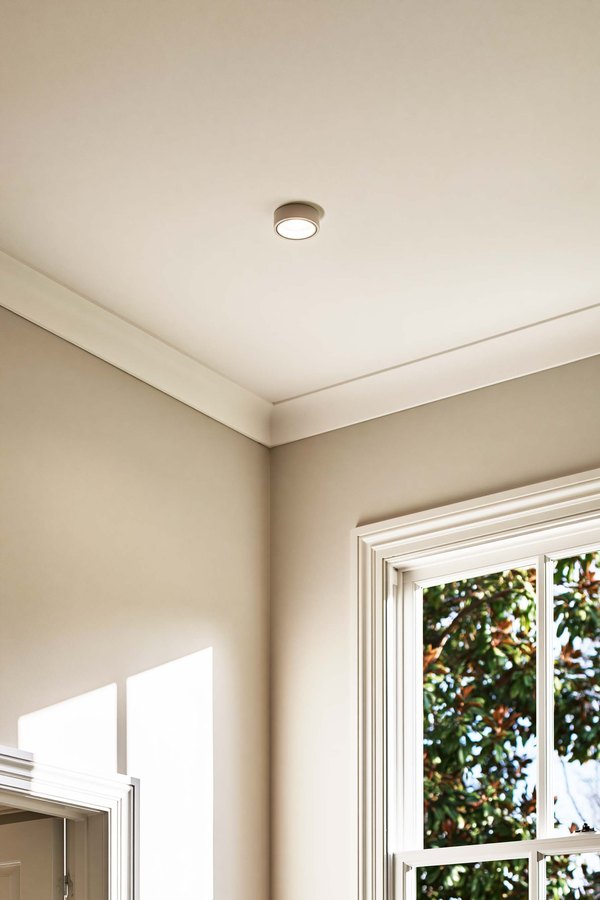
A finished ceiling meeting the wall at the crown molding beside a bright window

Ceiling Repair

Sagging, screws working loose, and the line that opens along a wall with the seasons, which usually proves to be nothing at all. Ceiling work means ladders and extra hours, so you'll see what that part costs before you book it.

Why ceilings cost more than walls →
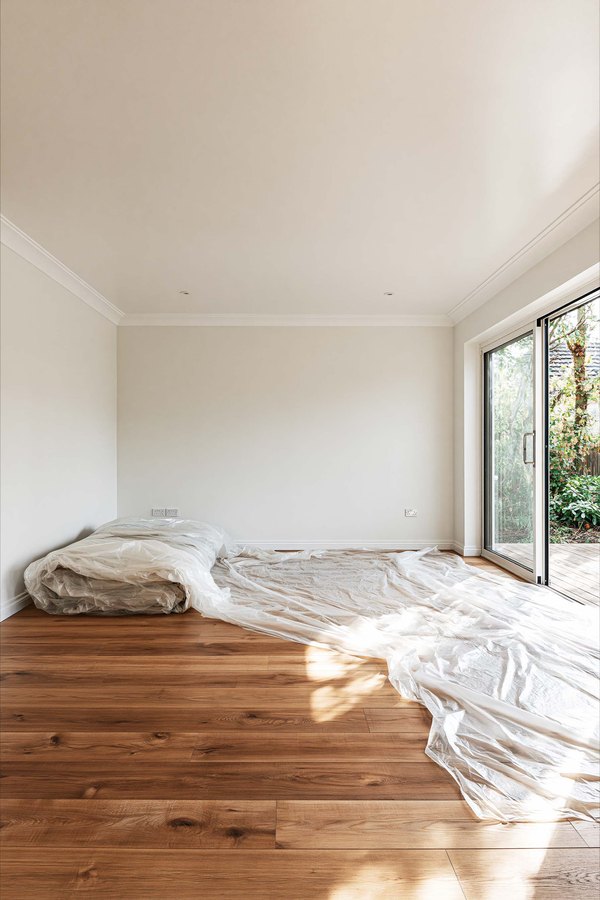
An emptied room with dust sheets across the floor under a smooth, scraped ceiling

Popcorn Ceiling Removal

We test it, take it down, and then do the finish work that gets your ceiling ready to paint. Anything sprayed before 1978 gets tested, since there's no way to know what's in that texture without testing it.

Testing, removal, and what a smooth ceiling costs →
Close view of a lightly textured wall where new work has been blended into the old surface

Texture Matching

The part that decides whether your repair disappears into the wall. Knockdown, orange peel, skip trowel and hand-worked plaster all behave differently, so we sample yours and match it before we commit.

How we blend a repair into your wall →
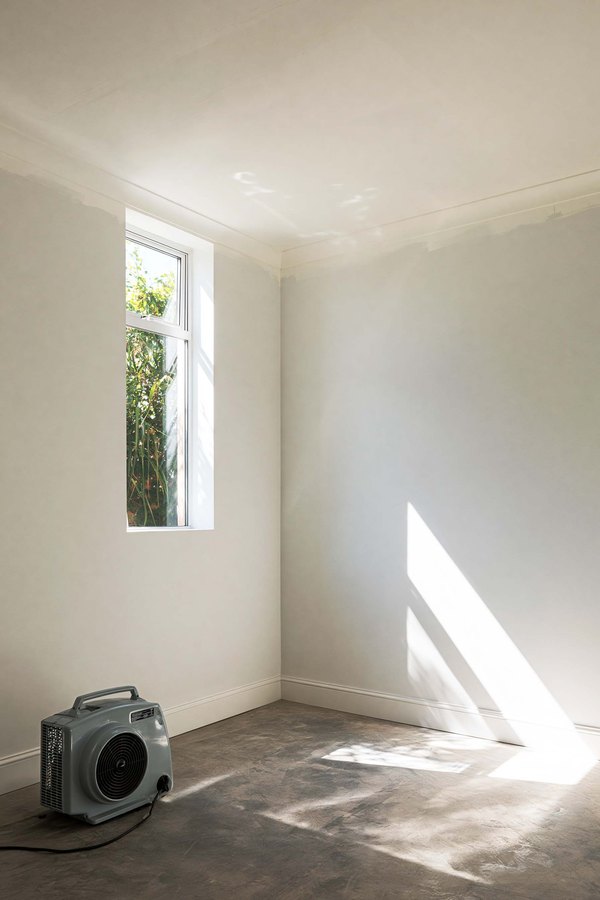
An air mover running in a stripped corner, drying the wall and floor after a leak

Water Damage Drywall Repair

Dried properly before anything gets closed up, because the meter decides that and not the calendar. We find the source first, and if water is still getting in we'll help you get that handled so the new work stays dry.

Dry it first, and how long that takes →
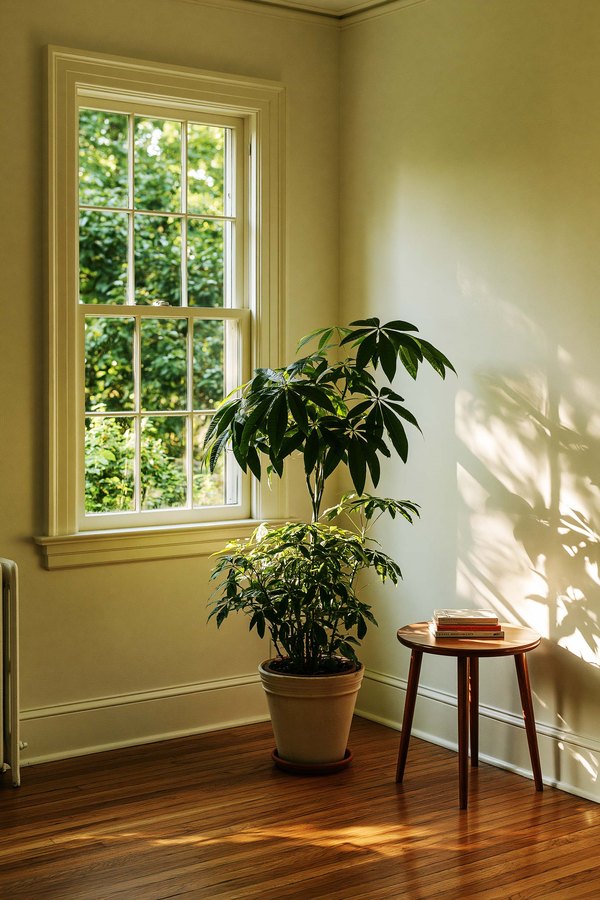
A pre-war room corner with original plaster walls and a tall sash window

Plaster and Lath Repair

Pre-war walls kept rather than torn out, which is usually the cheaper answer as well. Re-securing the original wall and matching its texture keeps the room looking like itself.

Keeping an old wall instead of replacing it →
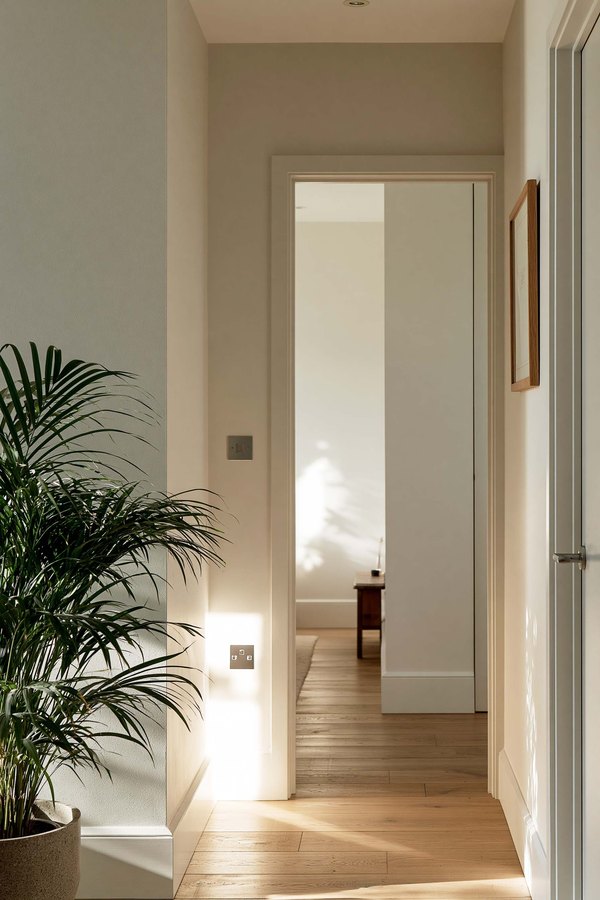
A hallway with patched and repainted walls opening into a sunlit room

Drywall Patching

Holes you can already see and measure, closed and gone, several of them in one visit. Doorknobs, furniture and the odd foot through a hallway wall are most of what we see, and most are a single trip.

Small damage, one visit, done properly →
Raking light along a taped and finished wall, flat from corner to corner

Taping and Finishing

Level 3, 4 and 5, and which one your room actually needs. Level 5 earns its keep on a wall that catches low window light, and level 4 gives you the same result everywhere else.

Levels 3, 4 and 5, and which one you need →
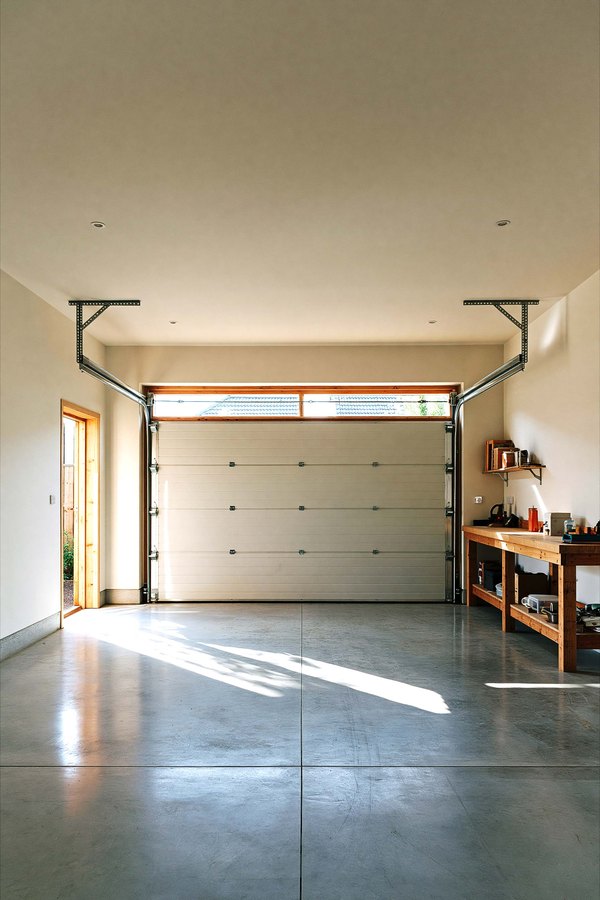
A finished garage with boarded walls, a workbench and a sealed concrete floor

Garage Drywall

One room, one code requirement, and a good chance yours already meets it. The wall that separates your garage from the house is the one that matters, and it only counts if it runs unbroken.

The one code rule that applies to your garage →

What Comes With Every Drywall Job We Do

01

We look at the wall first

A price you'll be able to rely on comes from standing in front of your wall and looking at it. That takes longer than a number over the phone, and that's the reason the price holds.

02

Cause first, repair second

Knowing why your wall moved is what lets the repair last, so that's where we start on every job we take.

03

The finish taken seriously

Most of the day on most jobs, because the finish is the half of the work you look at afterward.

04

You know what you're paying for

What we're doing, what we're not doing, and which parts belong to another trade, on one page you can keep.

05

The dust kept where the work is

Floors covered, doorways sealed, furniture moved back before we go. Sanding is the messy part of drywall, and keeping the dust contained is included in the work, not charged as an extra.

06

One visit where possible

Small repairs collected into a single trip, because travel is most of what a small job costs.

What's On Your Walls, Going by When Your House Was Built

Sacramento was built out in a few fairly clear waves, and each one has its own look. Knock on a wall sometime and you'll hear it: hollow and drummy is drywall, dead solid is plaster. You don't need to, though. If you have a rough idea of when your house was built, you've already got most of this, and if you don't, we can usually tell within a minute of walking into the room.

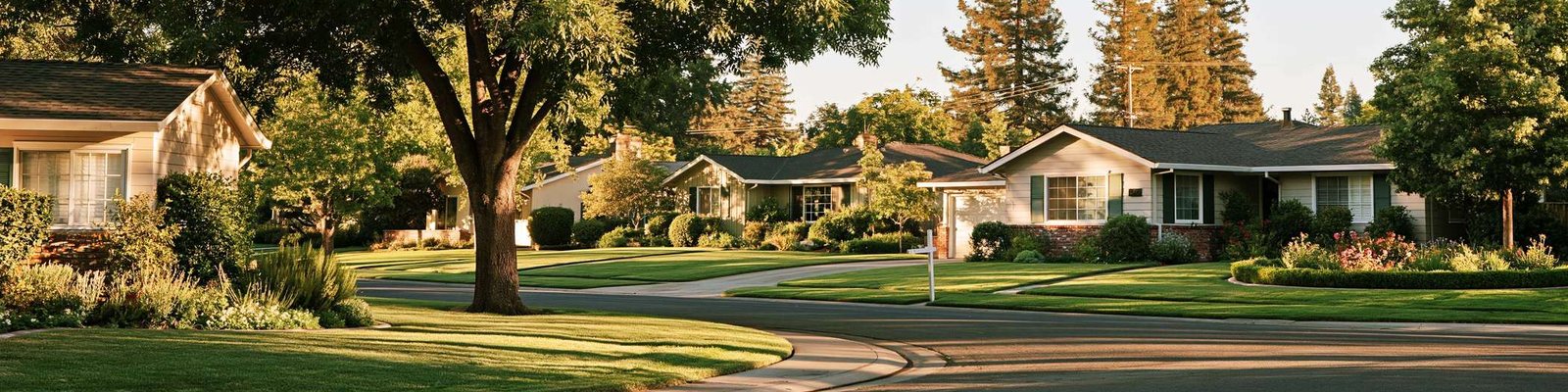
A postwar street of single story ranch houses under mature shade trees
Pre-1950

Plaster over wood lath, thick and hard, in the grid and the older suburbs. Repairs here are about keeping the original wall, which is usually the better-looking result and the cheaper one.

1950s–60s

The transitional years. Plaster over a board backing in some rooms, early drywall in others, and both can turn up in one house.

1970s

Drywall everywhere, sprayed finishes, and popcorn sprayed onto most ceilings as standard. Worth a quick test before anybody scrapes one.

1980s onward

Framing that's consistent from room to room, knockdown and orange peel textures, and walls whose questions are about screws and seasons rather than age.

Sacramento Clay Soil, and the Best Time to Repair a Crack

Much of this valley sits on clay that soaks up water through a wet winter and gives it back over five dry months, and it shifts a little every year while it does. That movement works its way up through the house and shows up wherever a wall is weakest, which is almost always a corner above a door or a window.

It's why a crack here can open through the summer and close again over the winter, and why the same crack in Folsom or Rocklin usually means something simpler. That ground is granite, and granite doesn't move this way.

Knowing which ground you're on changes the advice, not just the price. On clay we'll usually note the crack, come back at the right end of the season, and close it once. On granite it's a straightforward repair and you can have it done whenever it suits you.

Timing is the part that pays you back. A crack closed at the right end of the year on clay ground stays closed, and it still looks right the following summer, which is the whole point of paying for it. On the few walls where the month matters we'll point you at the right one, and what you get for waiting is a repair that holds and a room you stop looking at.

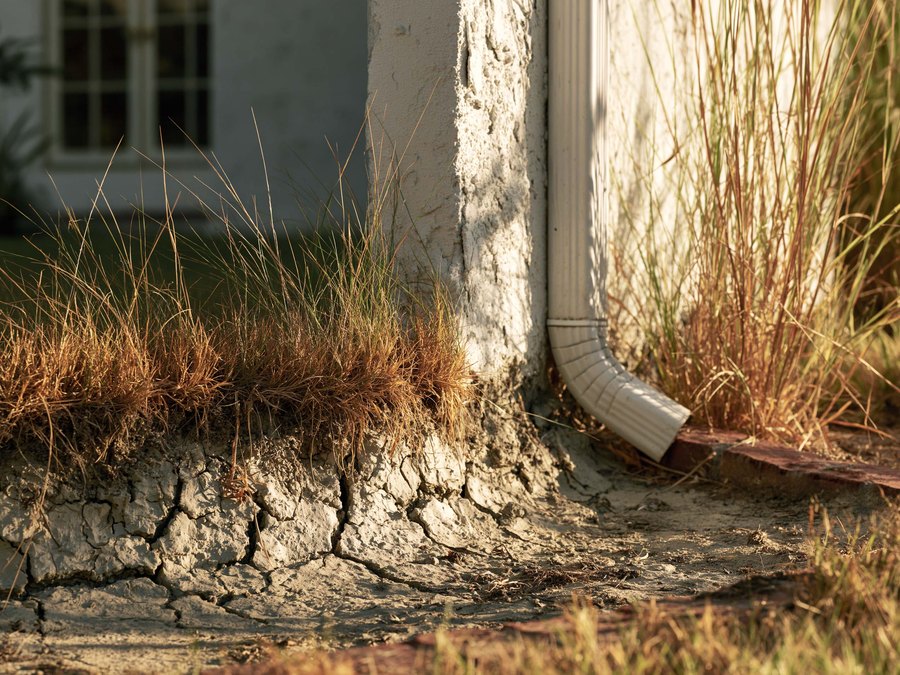
The foot of an exterior wall beside a downspout, with cracked dry soil and summer grass

Common Wall and Ceiling Problems, and What Usually Causes Them

What you're seeingWhat's usually behind itHow soon to actWhat we'd do about it
Hairline above a door or windowEveryday stress at the wall's weakest spotNot urgentA simple close and finish
The same line back after a repairSomething behind it is still on the moveHave it looked at firstTrack down the cause, then close it
Round bumps in a lineScrews working looseNot urgentReset them, then close
A brown mark that's soft to touchWater is still reaching it from behindCall us todayDeal with the source, dry it out, rebuild

Use this as a head start, not a diagnosis. Nobody should tell you anything for certain until your wall has had a proper look. Describe what you're seeing and we'll give you the usual explanation, and if something in this table doesn't match what's actually on your wall, ask us. We like those questions and we have all day for them.

How a Drywall Repair Works, From Your First Call to the Finish

01

You send photos, or we come out

One close enough to see the damage, one from across the room. The visit is free either way.

02

You hear what it is, in plain words

What we're seeing, what it will take to put right, and a price for it before anybody starts.

03

We do the work and finish it properly

With a return trip built in where the finish needs one, so the last coat gets the attention that makes it disappear.

How We Work on Your Walls and Ceilings

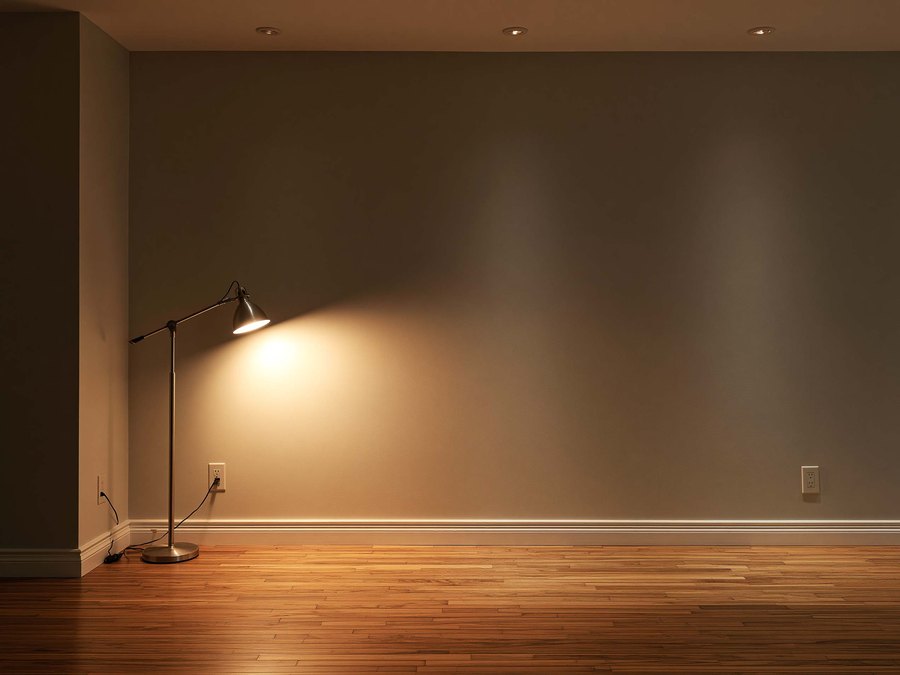
A floor lamp throwing light along a finished wall, showing an even surface
  • Every price is written after we've stood in front of your wall and looked at it
  • You hear what we expect your wall to do next before we close it, not after
  • Screws that have worked loose get reset, so the surface stays flat once we're done
  • A sprayed ceiling gets tested before anyone scrapes it, since nobody can know what's in it without a test
  • The finish gets the time it needs, including a second visit when the room calls for one
  • An older plaster house gets priced as plaster work, which usually costs you less than replacing it

Drywall Repair for Landlords and Property Managers

Rentals and turnovers are a different job from a homeowner repair, and we treat them that way. What you need is a date you can plan around, a price that doesn't move, and work that still looks right at the end of the next tenancy. Some walls are worth doing properly because your next tenant looks at them every day, and some are fine as a quick close before the painter comes through. We sort your list into the two, and across a portfolio that difference adds up in your favor.

Multiple units on one visit is where the savings are, in the same way it's for a homeowner with four small repairs. Give us the whole list and we'll sequence it rather than pricing each one as though it stood alone. Several addresses across the metro get sequenced into one run, which is what keeps the per-unit price down.

916-584-9660

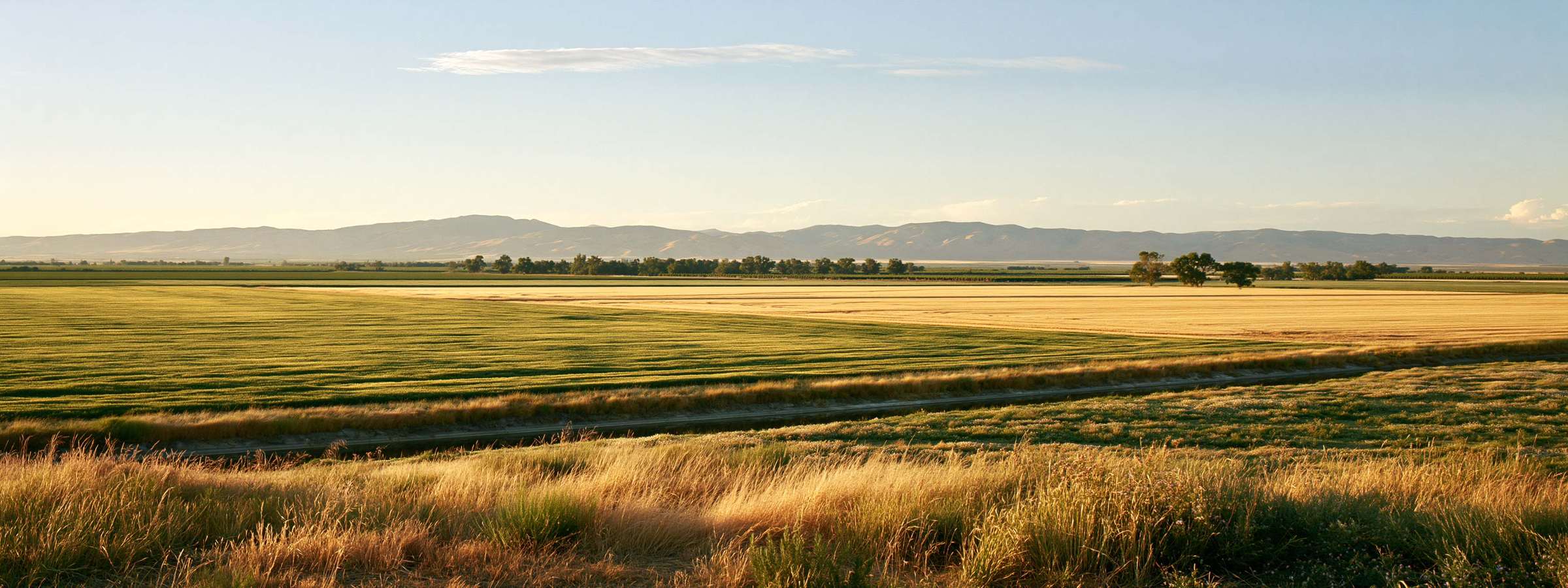
Flat farmland and open fields under a wide valley sky at golden hour

Sacramento Areas We Serve

Roseville

Newer houses, engineered framing, and smooth finishes that reward a careful match.

Elk Grove

The youngest housing on our list, on clay ground that shifts from one season to the next.

Citrus Heights

Most of the neighborhood was built within one decade, so the walls behave much the same on every street.

Folsom

Granite ground, so a crack here usually has a simpler cause than the same crack downtown.

Carmichael

The oldest suburban housing we work in, plus a 1950s layer that mixes plaster and drywall in one house.

Fair Oaks

Houses from the 1890s and 1970s tract on the same street, so your wall sets the plan.

Frequently Asked Questions About Drywall Repair in Sacramento

Here are three quick answers. About twenty more are on the FAQ page, including what popcorn removal and asbestos testing cost.

How much does drywall repair cost in Sacramento?

Most single repairs land between $250 and $500: a doorknob hole, a hairline over a door, the bare patch where a fixture came off. If you have a few of them waiting, have us do them on the same visit and the total usually comes to $400 to $900, since you're only paying for one trip. Bigger damaged areas are priced by the square foot, around $3 to $8 per square foot. What decides where yours falls in those ranges is how easy the wall is to get to and which finish we need to match. The FAQ page breaks the rest of it down.

Is it better to repair drywall or replace it?

Nine times out of ten we'd repair it, and that's usually the cheaper route. The board itself is inexpensive but the labor isn't, so tearing out a whole wall just to avoid patching it tends to cost more than the patch. Replacement makes sense when the problem is behind the surface: water that got into the framing, or a section that's been repaired so many times it would look better starting fresh. Once we see yours we'll tell you which one applies and why, and either way you end up with a surface that matches the room.

Can a handyman patch drywall, or do I need a drywall contractor?

A handyman can close a hole, and when the hole is small and the garage wall is plain and flat, that's the right person to call. Whether the patch still shows a month later comes down to the finish. If your walls have a sprayed texture, getting it to match is the bulk of the work, and it takes practice and a sample board to get right. So if the wall is flat and the hole is small, call a handyman. For a textured wall in a room you see every day, it's worth hiring someone who matches texture day in and day out.

A contractor with a notepad talking with a homeowner beside a living room window

Get Your FREE Estimate

Tell us what you're looking at and we'll come back with a real answer. Photos help, a description is fine, and 916-584-9660 is quicker than either.

The crack gets closed once, because we deal with what caused it.

Call Us Now! 916-584-9660